
We are proud to announce that we are now the official UK Repair and Maintenance Centre for Autel!
Click to find out more
Click to find out more

Most property problems don’t arrive with a fanfare; they creep in quietly. A patch of damp behind wallpaper, a faint draft by a window, an unseen gap in insulation - small issues that, left unchecked, quietly grow into expensive repairs, tenant complaints and wasted energy.
While budgets tighten, the cost of delayed action is rising. According to Housing Today, repairs spend has risen 15% year-on-year as social housing providers battle mould, damp and building safety issues. The English Housing Survey 2023-2024: drivers and impacts of quality housing, found ‘1.3 million dwellings (5%) had damp problems present in one or more rooms’. These aren’t abstract numbers - they reflect cold, poorly ventilated and struggling buildings, alongside strained maintenance teams.
Every delayed inspection or unseen leak multiplies the eventual costs and risk of putting it right.

Even the most diligent maintenance teams can only address what they can see. Heat loss, insulation gaps and early-stage water ingress are often invisible to the naked eye, especially in hard-to-reach areas. That’s where thermal drones come in.
Vantage UAV’s drone-mounted thermal cameras detect temperature differences across entire buildings quickly and safely - no scaffolding, no disruption. They highlight:
With this data, housing teams can act proactively and target the real problems before they escalate.
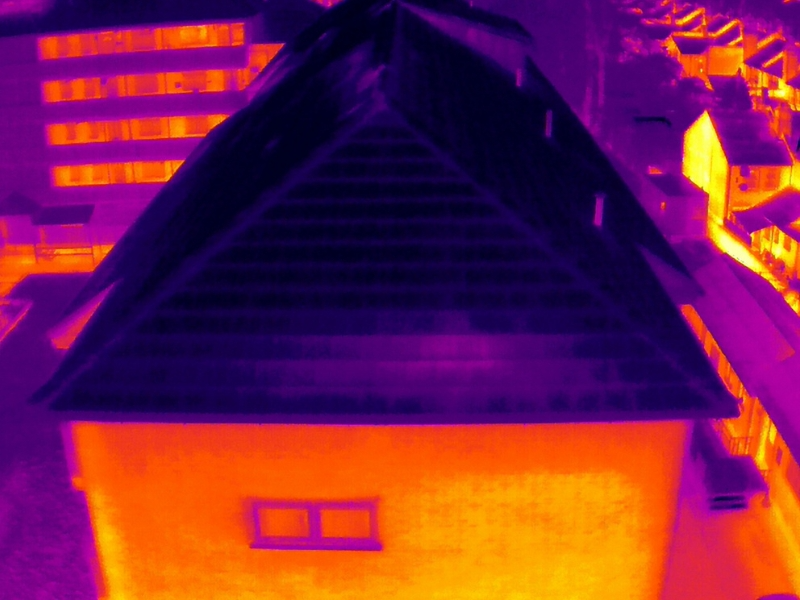
Thermal inspections are not just about fixing issues; they’re about strategic asset management.
A few hours of inspection could save thousands in reactive maintenance.
The Housing Ombudsman's Annual Complaints Review reported ‘40% of the total compensation [they] ordered in 2024-25 was for failures in handling leaks, damp and mould’, highlighting the real cost of inaction.
Behind every cold or damp home is a story. Proactive inspections don’t just protect buildings, they protect people. When residents live in warmer, healthier homes, satisfaction rises and long-term maintenance costs fall.
Inaction isn’t free - it just delays the cost. And the longer you wait, the higher it gets.
It’s time to take a proactive approach: use thermal inspections to reveal what’s hidden, plan repairs with confidence and invest in homes that stay protected from damp and mould for longer.


.webp)